
© All rights are reserved by UAB Tour De Med





Diagnostic hysteroscopy
This examination is especially important for couples experiencing fertility problems. Blocked fallopian tubes may be one of the causes of female infertility. The examination can determine whether there are any obstructions in the fallopian tubes preventing the egg from reaching the uterus, and helps in choosing the most appropriate further treatment or assisted reproduction method.- Northway Fertility Center
 Clinic
- €1263
 Price from

Diagnostic hysteroscopy
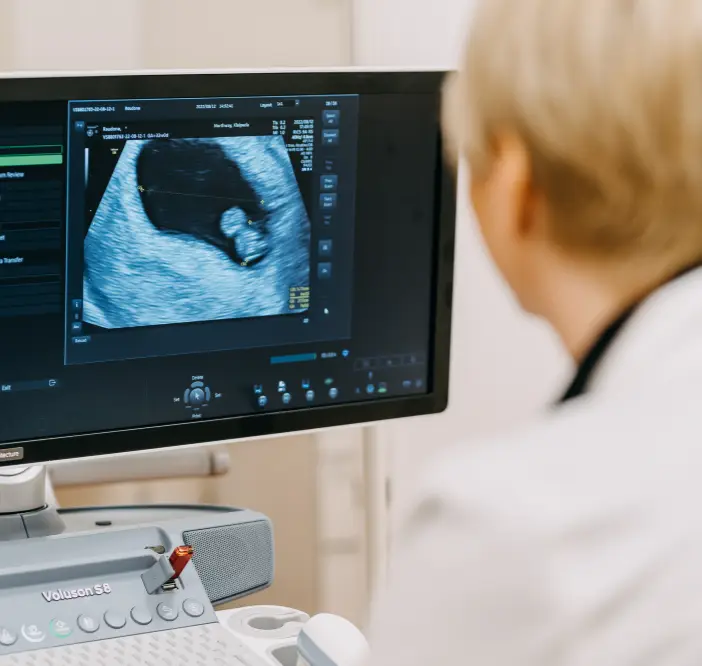
A hysteroscope is a thin instrument resembling a telescope. After the cervix is dilated, it is inserted into the uterus, and the uterine cavity is expanded with a small amount of fluid. The gynecologist examines the cervical canal and the uterine cavity, all of which can be clearly seen on a monitor screen. If pathological changes are detected, they are removed. If there are concerns about the condition of the uterine lining, a biopsy — small tissue samples — is taken for examination. Because everything is performed under direct visualization during hysteroscopy, the diagnosis of diseases within the uterine cavity is highly reliable.

Northway Fertility Center
A place where we listen, pay attention, and care for patients from the very first visit until full recovery.
Your miracle is our mission!
RECOMENDED FOR YOU
View All Personalized wellness, longevity, and medical journeys