



The face is often the first to reveal signs of fatigue, stress and the passage of time. Even with a consistent skincare routine, creams and at-home treatments may eventually no longer be enough to address changes in skin firmness and facial definition.
Many women are looking for a way to restore facial contours, improve skin firmness and achieve a fresher, more youthful appearance - while avoiding surgical intervention. In such cases, a non-surgical facelift performed using advanced laser technology is becoming an increasingly popular option, including the ENDOLIFT® treatment offered at DermaSurgic clinic.
It is a solution for those who want visible results without the lengthy recovery period and risks associated with traditional surgery.
What is a non-surgical facelift?
A non-surgical facelift is a minimally invasive procedure designed to improve skin firmness, reduce tissue laxity and enhance facial contours without traditional surgical incisions or sutures.
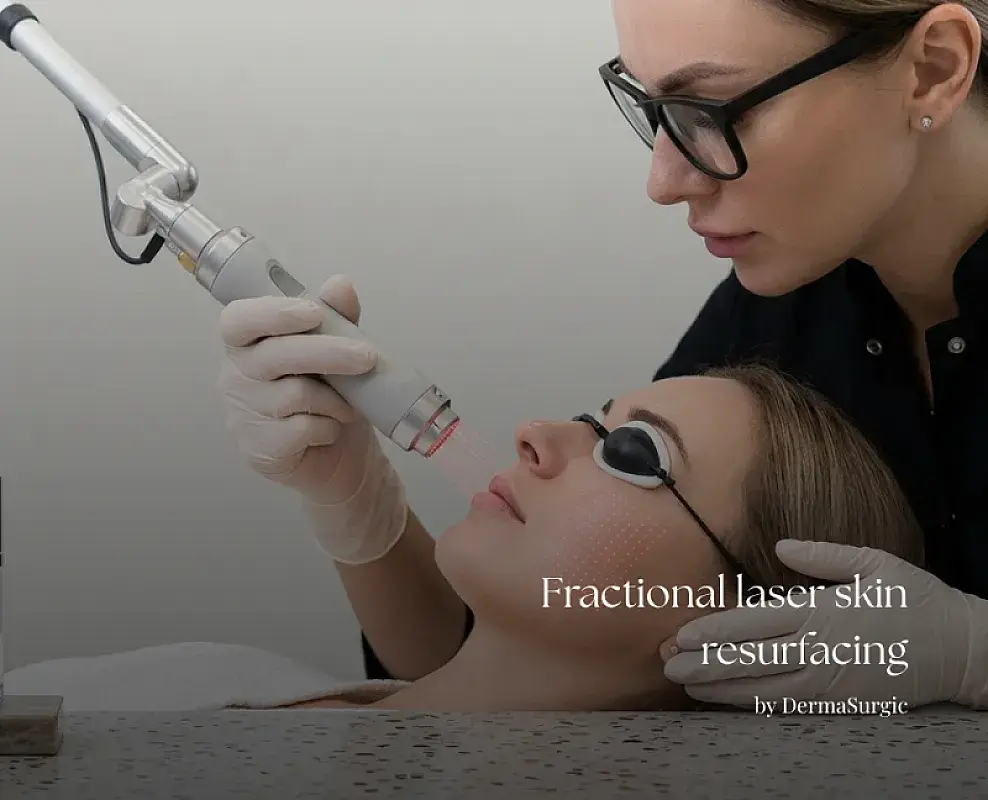
Laser technology targets the deeper layers of the skin, stimulating collagen and elastin production. These naturally occurring proteins play a key role in maintaining firm, elastic and youthful-looking skin.
Unlike a traditional facelift, the aim is not to alter your facial features, but to enhance and restore them while maintaining a natural appearance.
How is the procedure performed at DermaSurgic clinic?
A detailed consultation is always carried out before the procedure. During the consultation, the specialist assesses the condition of your skin, the degree of tissue laxity and the underlying tissue structure, while also discussing your individual goals and expectations.
This is an essential step, as a non-surgical facelift is not a universal solution and may not be suitable for every patient.
The procedure generally involves:
- cleansing and preparing the skin;
- applying local anaesthesia, depending on individual sensitivity and treatment requirements;
- using a fine laser fibre to target the deeper layers of the skin;
- stimulating collagen production and supporting the connective tissue structures;
- reducing localised fat deposits in areas where excess volume may affect facial definition.
The treatment is precise and targeted, allowing the specialist to focus on the areas where improvement is most needed.
Which areas can be treated?
A non-surgical facelift can be performed on various areas of the face and neck, including:
- the lower face;
- the jawline;
- the submental area;
- the cheeks;
- the neck;
- the under-eye area.
The lower face and jawline are among the most commonly treated areas, as changes in tissue firmness and definition often become noticeable here first.
What do women value most about the treatment?
A non-surgical facelift is chosen for several important reasons:
- no general anaesthesia is required;
- no traditional surgical incisions or visible scars;
- a relatively short recovery period;
- natural-looking, subtle results;
- a gradual and long-lasting improvement in skin firmness.
The goal is not to create a sudden or artificial change in appearance, but rather to gradually restore a firmer, more defined and refreshed look while preserving your natural facial features.
What should you know before the procedure?
A non-surgical approach is not a miracle treatment and cannot replace a surgical facelift when there is significant excess skin or advanced tissue laxity. Having realistic expectations is therefore essential.
Before undergoing treatment, it is worth considering:
- Am I primarily looking to improve skin firmness or achieve a more significant lift?
- How much have my facial contours changed?
- Am I prepared to follow the recommended aftercare instructions?
Open communication with your specialist and an honest assessment of your individual situation are key to achieving a satisfying result.
What is recovery like?
Following the procedure, you may experience mild tightness, redness or swelling. These are common temporary reactions following treatment of the deeper tissues and generally subside within a few days.
Recovery is usually straightforward, but it is important to follow your specialist's aftercare recommendations, which may include:
- avoiding excessive heat and saunas;
- protecting the skin from direct sun exposure;
- using the skincare products recommended by your specialist;
- allowing the treated areas to recover without unnecessary irritation.
Results develop gradually, as collagen production and tissue remodelling take time. The improvement therefore continues to become more noticeable over the following weeks and months.
Is a non-surgical facelift right for you?
If you have noticed that your facial contours are becoming less defined, your skin has lost some of its firmness, or your usual makeup no longer gives you the same fresh appearance, you may find yourself considering your options.
A non-surgical facelift at DermaSurgic Clinic may be suitable for women who want to:
- look fresher and more rested;
- maintain a natural appearance;
- invest in gradual, long-term results;
- choose a professional, targeted approach rather than a temporary solution.
This is not simply a trend or a beauty fad. It is a considered approach to self-care — one that focuses on enhancing your natural features in a subtle, informed and responsible way.